

From an English muffin at breakfast with eggs and fruit, a ham or turkey sandwich at lunch or a family-favorite spaghetti night, wheat-based foods are part of everyday life for billions of people. Across cultures and generations, wheat has helped nourish families, celebrate traditions and bring people together.
Wheat provides approximately 20% of the calories consumed worldwide. Whether it’s bread, pasta, tortillas, crackers, breakfast cereals or more, wheat delivers energy and essential nutrients that help fuel daily life.
What’s Inside a Wheat Kernel?
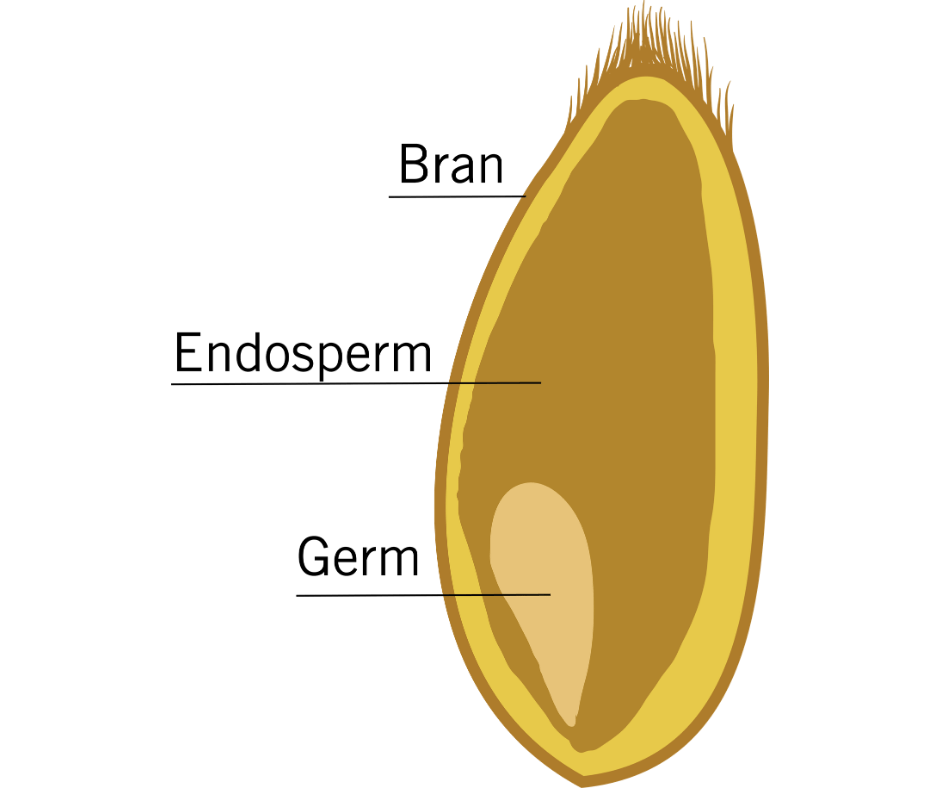
The wheat kernel contains three distinct parts, each serving a specific role for the plant and contributing important nutrients.
Bran
The bran is the protective outer layer of the wheat kernel. It is rich in dietary fiber, antioxidants and B vitamins. While not included in refined flour, the bran is a key component of whole wheat flour.
Endosperm
The endosperm is the largest part of the kernel and serves as the plant’s energy source during germination. It contains carbohydrates, protein and essential vitamins and minerals. Refined flour is primarily made from the endosperm.
Germ
The germ is the nutrient-rich embryo that would grow into a new wheat plant. It contains healthy fats, B vitamins, antioxidants and trace minerals. The germ is typically removed during the production of refined flour to improve shelf life.
The Nutritional Benefits of Wheat
Wheat provides several essential nutrients that support overall health and wellness.
Complex Carbohydrates: The Body’s Preferred Energy Source
Carbohydrates are the body’s primary source of fuel. Wheat is naturally rich in complex carbohydrates, which provide steady, sustained energy throughout the day. Unlike simple sugars, complex carbohydrates are digested more slowly, helping maintain energy levels and supporting active lifestyles. This is one reason athletes often increase carbohydrate intake before endurance events.
Fiber: Supporting Digestive and Heart Health
Dietary fiber plays an important role in digestive health, helping maintain regularity and support a healthy gut. Research has shown that diets rich in fiber may help:
- Support heart health
- Lower cholesterol levels
- Reduce the risk of Type 2 diabetes
- Support overall digestive wellness
Protein: Building Strong Bodies
Protein is essential for building and maintaining muscles, bones, organs and tissues. Wheat contains eight essential amino acids and contributes meaningful amounts of protein to the diet. Grain foods provide a similar amount of protein per serving as many dairy foods. Pairing wheat-based foods with protein-rich foods such as meat, eggs, dairy products, beans or lentils creates a balanced meal that supports overall nutrition.
Healthy Fats
Wheat is naturally low in fat, and the small amount it contains comes primarily from the nutrient-rich germ. Many staple wheat foods, including breads and pasta, are naturally low in fat. Higher fat levels in some wheat-based foods typically come from added ingredients such as oils, butter or shortening, rather than the wheat itself.
Vitamins and Minerals Found in Wheat
Wheat contributes important vitamins and minerals that support many essential functions throughout the body.
B Vitamins
- Thiamine (Vitamin B1): Helps convert carbohydrates into energy
- Riboflavin (Vitamin B2): Supports energy metabolism
- Niacin (Vitamin B3): Helps the body utilize proteins and fats
- Folic Acid (Vitamin B9): Essential for red blood cell production and healthy fetal development during pregnancy
Essential Minerals
- Iron: Helps transport oxygen throughout the body
- Zinc: Supports immune function and wound healing
- Selenium: Acts as an antioxidant and supports thyroid health
- Magnesium: Supports muscle, nerve and bone health
Enriched Flour and Fortified Flour: A Public Health Success Story
One of the reasons wheat-based foods play such an important role in nutrition is the long-standing practice of flour enrichment and fortification. For nearly a century, enriched and fortified flour has helped improve diet quality across the United States, ensuring that essential nutrients reach populations most vulnerable to deficiencies.
What Is Enriched Flour?
Enriched flour restores nutrients that are removed during the milling process. Common nutrients added back to enriched flour include:
- Iron
- Folic acid (Vitamin B9)
- Thiamine (Vitamin B1)
- Riboflavin (Vitamin B2)
- Niacin (Vitamin B3)
What Is Fortified Flour?
Fortified flour contains nutrients added at levels higher than those naturally found in wheat. One of the most significant public health achievements is folic acid fortification. Since becoming mandatory in the United States, it has helped dramatically reduce neural tube defects and improve maternal and infant health outcomes.
Because wheat-based foods are affordable, accessible and widely consumed, they remain one of the most effective ways to deliver essential nutrients to vulnerable populations.
Learn more about the history and benefits of flour enrichment and fortification here.
Understanding Gluten in Wheat
Gluten is a naturally occurring protein found in wheat, barley, rye and triticale. It gives dough its elasticity and helps baked goods maintain their structure, texture and volume. For most people, gluten can be safely enjoyed as part of a healthy, balanced diet. However, individuals with Celiac disease, an allergy to wheat and non-celiac gluten sensitivity should avoid foods containing gluten. Together, these conditions affect approximately 5% of the population. For everyone else, wheat and gluten-containing foods can be part of a nutritious dietary pattern.
Why Wheat Still Matters Today
Centuries ago, wheat earned the nickname “the staff of life” because of its importance in feeding communities around the world. While modern diets and lifestyles have evolved, wheat’s role remains remarkably similar. It continues to provide affordable nutrition, essential nutrients and the ingredients behind many of the foods people enjoy most.
From the bread on a sandwich to the pasta at a family dinner, wheat delivers energy, nourishment and connection with every bite.
Learn More About Wheat Nutrition
Download the fact sheet below to learn more about the nutrition, health benefits and everyday value of wheat-based foods.
Learn More