

Wheat-based products, such as bread, pasta, tortillas and crackers, are staples in many pantries, and many of our favorite foods, including cakes, cookies and pastries, are also made from wheat. Just like each product made from wheat has its own taste, texture and unique qualities, the wheat that was used to make these products is just as unique.
There are six classes, or types, of wheat grown in the U.S., and each class has unique characteristics that make it ideal for specific flours and foods. These differences affect how the wheat performs during milling and baking, which is why certain types of wheat are better suited for bread and pasta, while others are ideal for cookies or cake. Wheat is categorized into one of the six classes based on protein level, bran color and growing season. Farmers choose which class of wheat to plant based on their geography, climate, soil type and market opportunity.
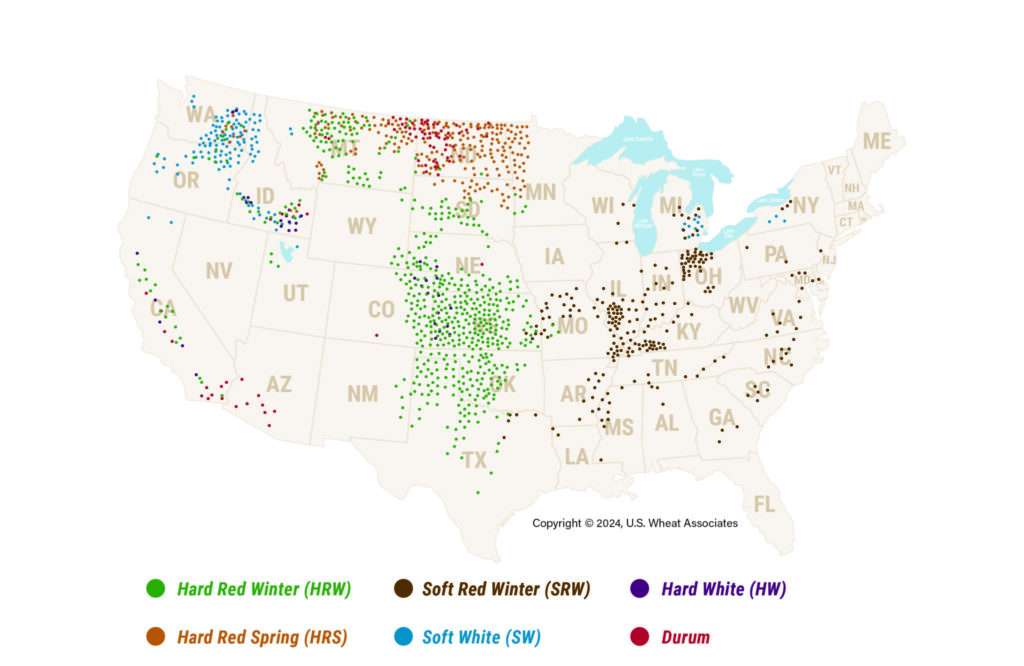
U.S. wheat classes and growing regions
Hard Wheat vs. Soft Wheat
Protein content is a critical part of the baking qualities assessed in wheat and flour. Gluten, a key protein in wheat, gives dough its strength, elasticity and structure.
Hard wheats generally have higher protein levels and stronger gluten characteristics. They are often used to make breads and other foods that benefit from a strong, elastic dough, like pasta or pizza crust. Soft wheats generally have lower protein levels and weaker gluten characteristics. This makes them ideal for products with a lighter, more tender or crumbly texture, such as cookies, cakes and crackers.
Winter Wheat vs. Spring Wheat
Wheat can be planted in either the fall or spring, based on the geography and climate. Winter wheat is planted in the fall and harvested in the spring or summer. Spring wheat is planted in the spring and harvested in the fall.
The planting and harvesting seasons for Durum, Hard White and Soft White wheats can vary depending on the region where they are grown.
Red Wheat vs. White Wheat
The bran, which is the outer layer of the kernel, determines the color of the wheat. Red wheat has a reddish-brown bran and a richer, nuttier taste. Red wheat also has a slightly higher protein content than white wheat. Flour made from red wheat is commonly used in traditional whole-wheat products. On the other hand, white wheat has a lighter-colored bran and is known for its mild flavor. It can be used to make whole-wheat products with a lighter color and milder taste.
The Six Classes of Wheat
Hard Red Winter Wheat
Hard Red Winter (HRW) wheat is the most common class of wheat grown in the United States and makes up approximately 85% of the wheat grown in Texas. HRW wheat is planted in the fall and harvested in the spring or summer. It is primarily grown throughout the Great Plains and is valued for its versatility and strong milling and baking qualities. HRW is commonly used for:
- All-purpose flour
- Bread & rolls
- Flatbreads
- Croissants
- Asian noodles
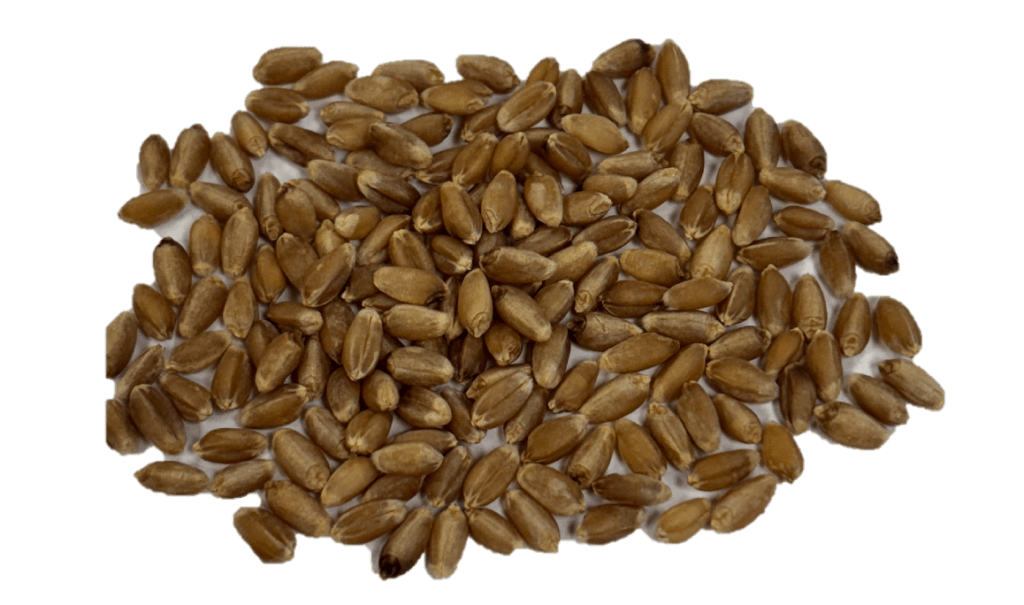
Hard Red Winter Wheat
Soft Red Winter Wheat
Soft Red Winter (SRW) wheat makes up approximately 10% of Texas wheat production and is also commonly grown throughout the Midwest and Southeastern United States. SRW wheat is planted in the fall and harvested in the spring or summer. Its lower protein content and softer gluten characteristics make it especially well suited for products with a tender or crumbly texture. SRW is ideal for:
- Cookies
- Crackers
- Cakes
- Pastries
- Blended flours
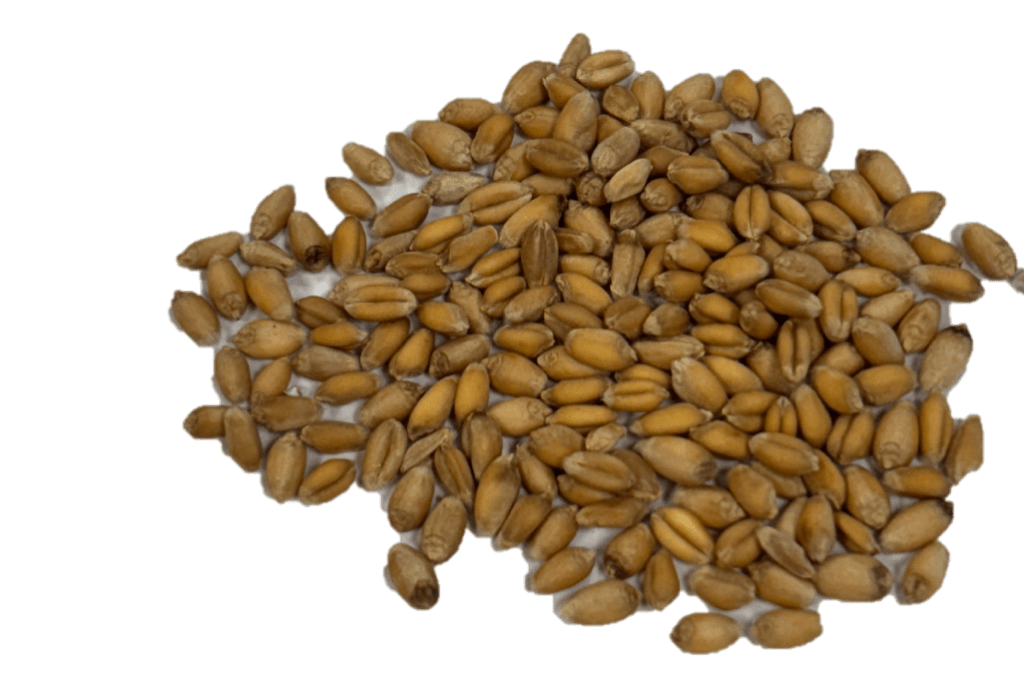
Soft Red Winter Wheat
Hard Red Spring Wheat
Hard Red Spring (HRS) wheat is primarily grown in the northern United States. It is planted in the spring and harvested in the summer or fall. Known for its high protein content and strong gluten characteristics, HRS wheat is a popular choice for foods that require strong, elastic dough. HRS is commonly used to make:
- Artisan & hearth breads
- Bagels
- Pizza crust
- Rolls
- Blended flours
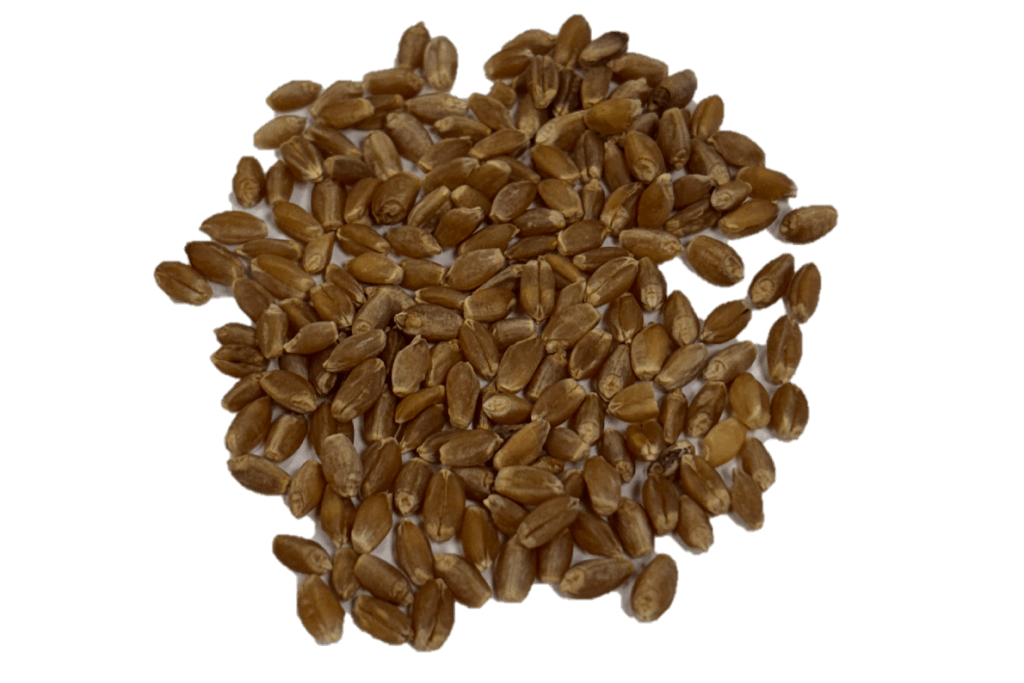
Hard Red Spring Wheat
Durum Wheat
Durum wheat is the hardest of the six classes of wheat grown in the United States. It is grown in several regions, including parts of the northern and southwestern United States. When milled, it produces semolina, a coarse flour with characteristics that make it especially well suited for pasta and other traditional foods. Durum is ideal for:
- Semolina flour
- Pasta
- Couscous
- Mediterranean-style breads
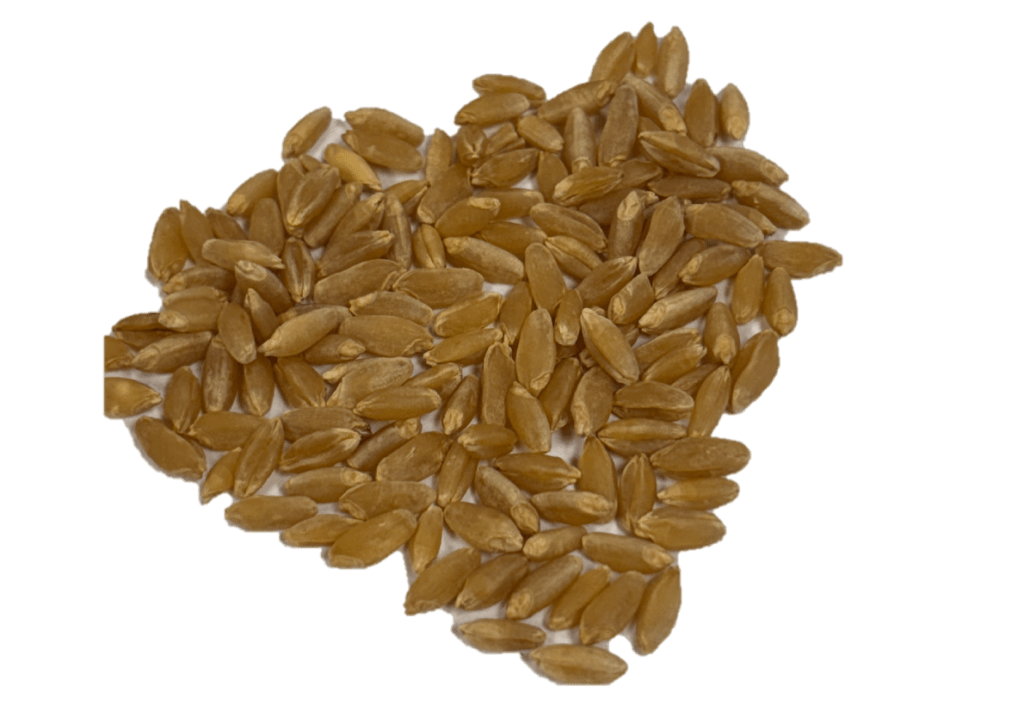
Durum Wheat
Hard White Wheat
Hard White (HW) wheat can be grown in a variety of regions and is known for its mild, slightly sweet flavor and strong baking qualities. Its lighter bran color makes it a popular choice for whole-wheat products that have a lighter appearance and milder taste. HW is commonly used for:
- Pan Breads
- Flatbreads
- Asian Noodles
- Whole wheat products with a lighter color and milder taste
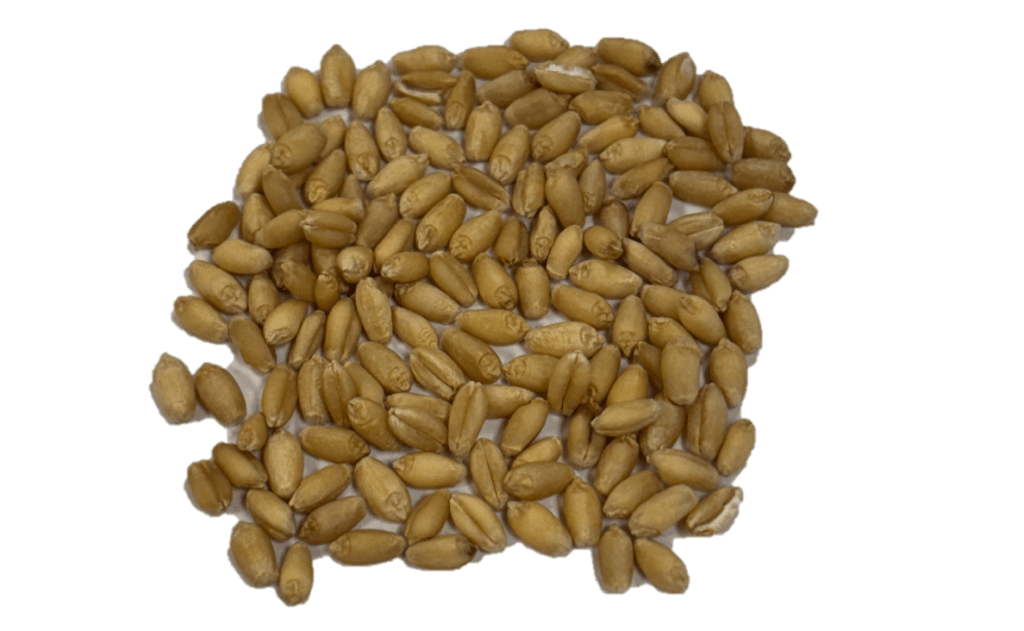
Hard White Wheat
Soft White (SW) Wheat
Soft White (SW) wheat is grown in several regions of the United States, but is especially common in the Pacific Northwest. Its lower protein content and excellent milling characteristics make it well suited for foods that benefit from a tender texture. SW is commonly used to make:
- Asian Noodles
- Cakes
- Pastries
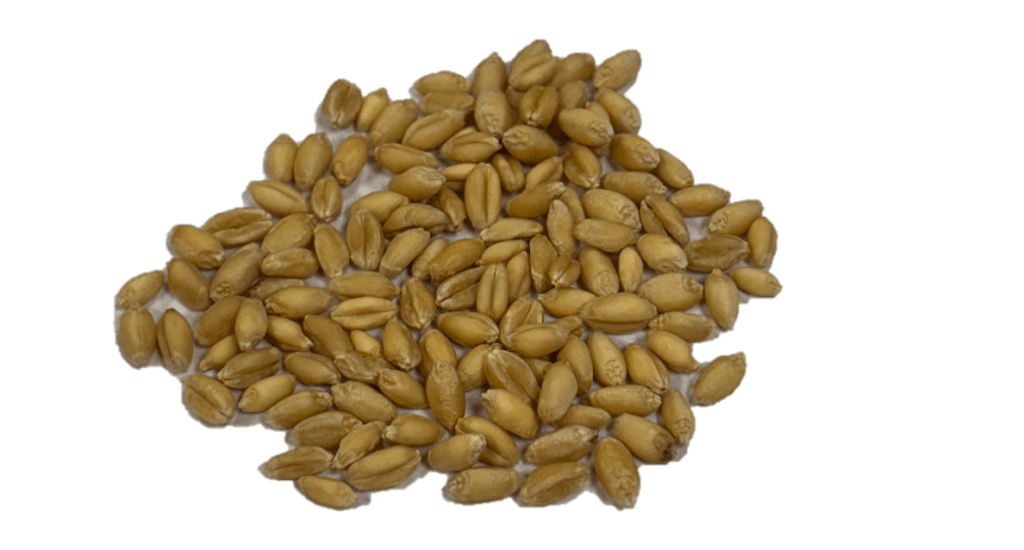
Soft White Wheat
Using Different Classes of Wheat
The six classes of wheat give millers, bakers and consumers access to wheat with a wide range of baking and milling qualities. From the strong gluten needed for bread and pizza dough to the softer characteristics needed for cakes and cookies, different types of wheat help create the foods we enjoy every day.
Learn More About Types of Wheat
Download the Types of Wheat & Flour Fact Sheet to learn more about the six classes of wheat. Find even more in-depth information, including protein levels, baking and milling characteristics, growing regions and export terminals, on the
U.S. Wheat Associates website.
Learn More