Funded by grower-supported checkoff dollars, Texas Wheat’s research and innovation programs address real-world challenges through plant breeding, disease resistance and improved production practices to strengthen yields and profitability statewide.
2026 Variety Guide
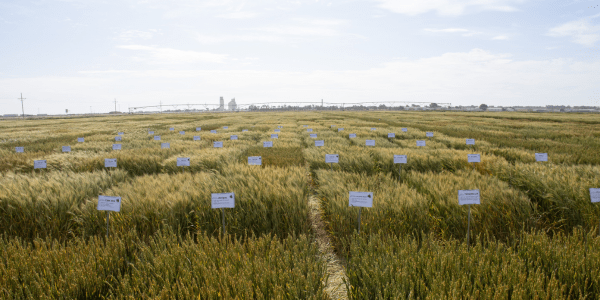
The 2026 Variety Guide includes statewide Uniform Variety Trial results, regional agronomic information and the 2026 Certified Seed Directory. Use the Variety Guide to make data-driven decisions for your operation.
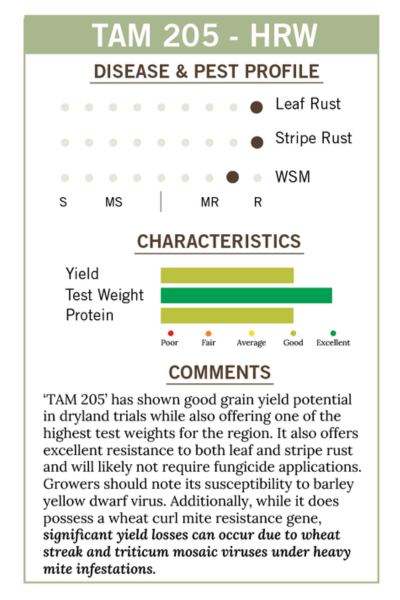
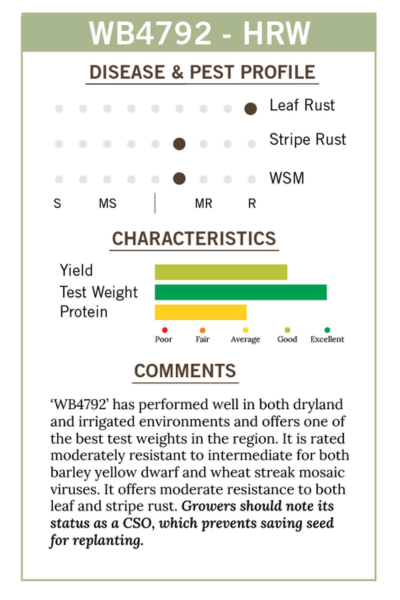
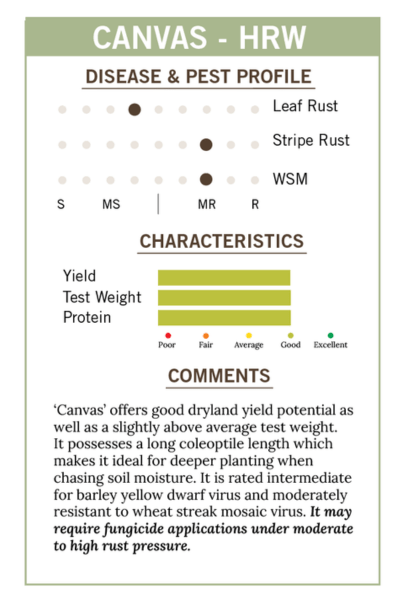
Dryland Regional Overview
- Season characterized by drought, heat stress and viral infections.
- Sporadic rainfall allowed for good and quick establishment in some areas, while drought conditions prevented germination until February in others.
- Even areas with decent fall precipitation showed drought symptoms by mid-February.
- Dryland wheat acres in the region had failed by the end of a very hot and dry March with temperatures reaching 100 degrees.
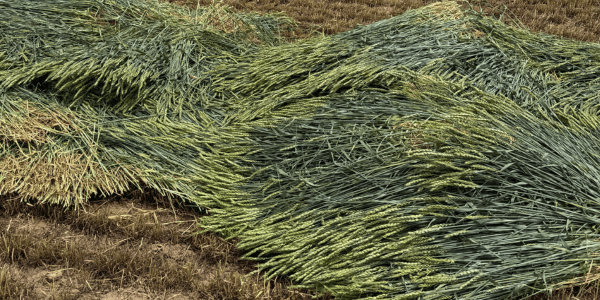
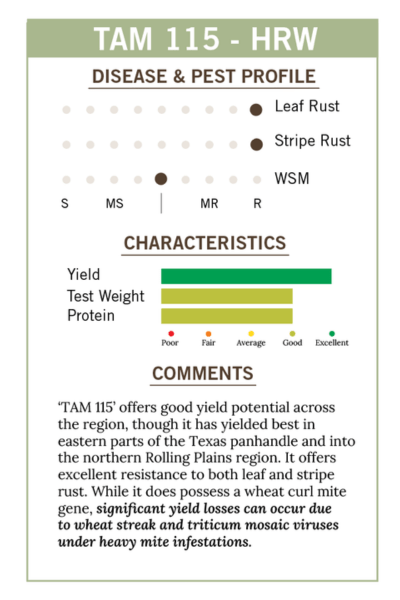
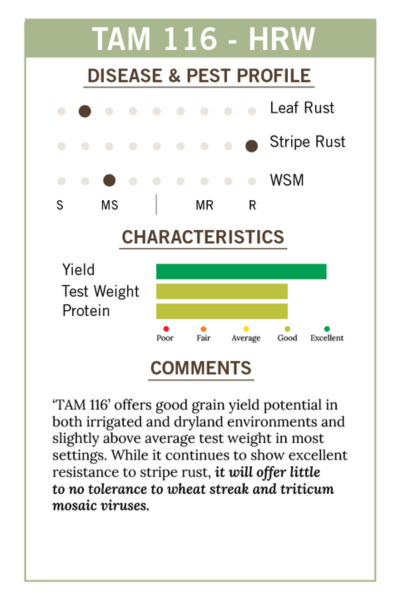
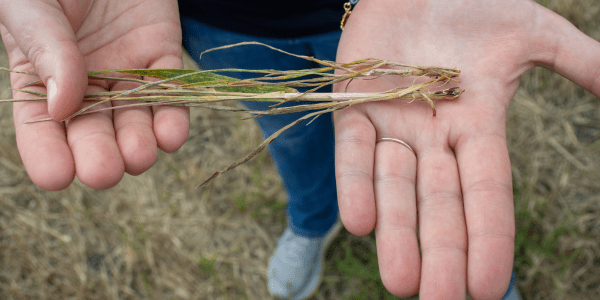
- Wheat streak mosaic and triticum mosaic viruses were prevalent.
- Dryland crops were unable to produce reliable data.
Top-Performing Varieties
Irrigated Regional Overview
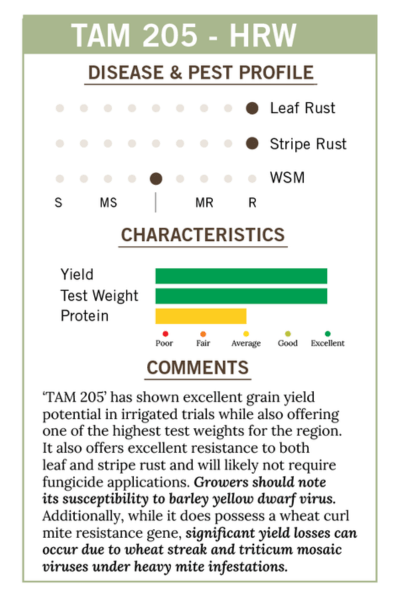
- Characterized by drought, heat stress and viral infections.
- Winter conditions were followed by a hot and dry spring with some areas of the panhandle reaching 100 degrees in late March.
- April and May brought some rainfall, however, the entire region remained in moderate to exceptional drought conditions.
- Many growers expressed disappointing irrigation responses.
- Symptoms of wheat streak mosaic and triticum mosaic viruses became apparent towards the end of March and farmers throughout the region reported much higher incidence compared to average.
- Though they do not appear as highlighted varieties due to limited testing (first year), ‘Gabriel’ and ‘KS Tradition’ displayed significantly improved tolerance to viral infections compared to other varieties.
Irrigated Top-Performing Varieties
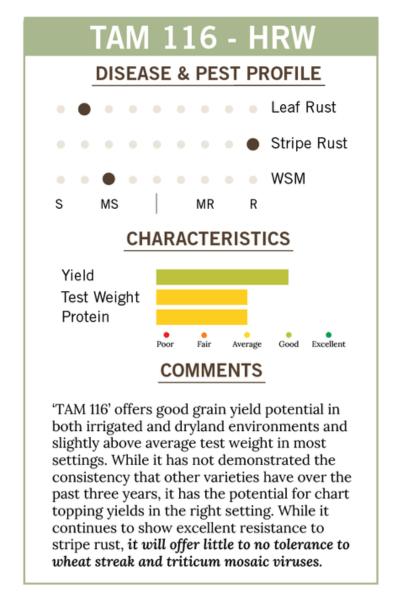
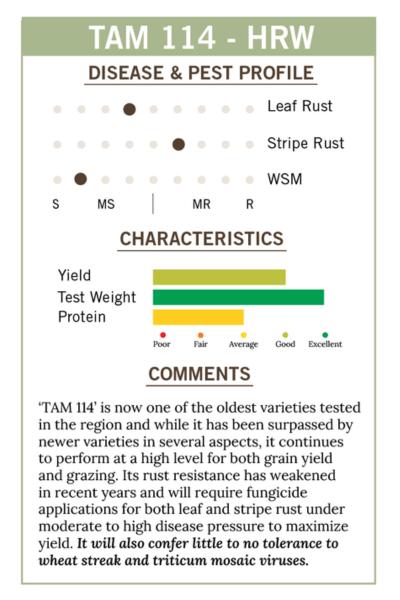
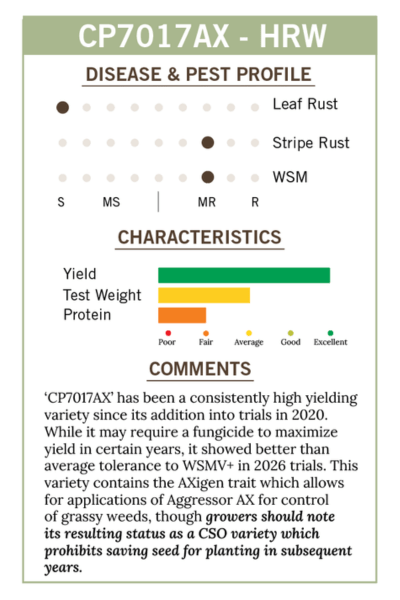
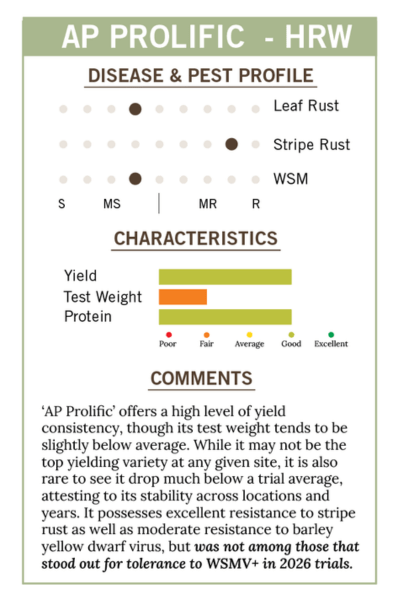
Regional Overview
- The season started off dry through most of the region.
- Scattered rainfall in late October greatly benefited some areas while others were left with spotty or staggered emergence.
- The mild winter was followed by an extremely hot and dry March. By late March, much of the region was struggling from drought which greatly reduced yield potential.
- One exception was near Brady, which managed to remain off the drought monitor and supported some of the best wheat yields seen in a while in that area.
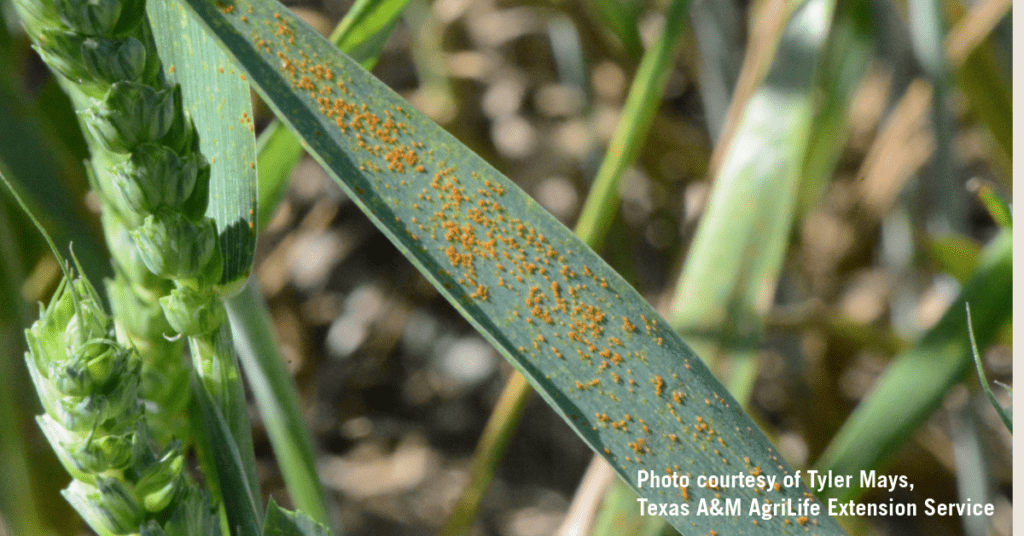
- Leaf rust incidence was moderate, mostly occurring in the southern part of the region.
- Viral disease such as wheat streak and barley yellow dwarf viruses were also present and incurred significant damage in select fields.
Top-Performing Varieties
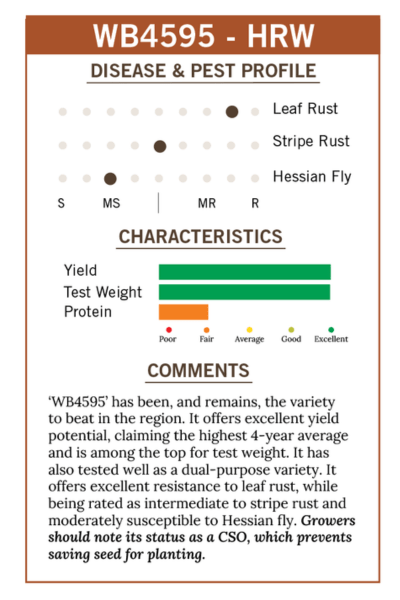
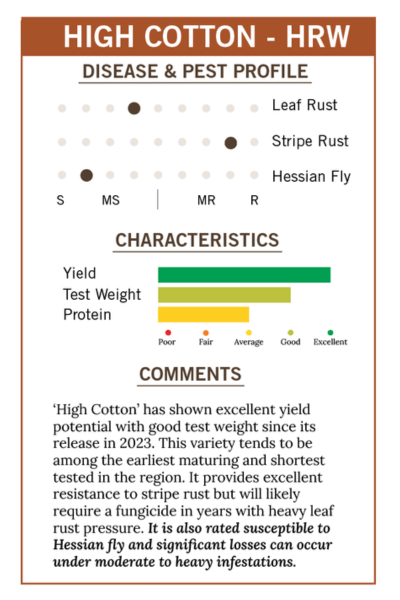
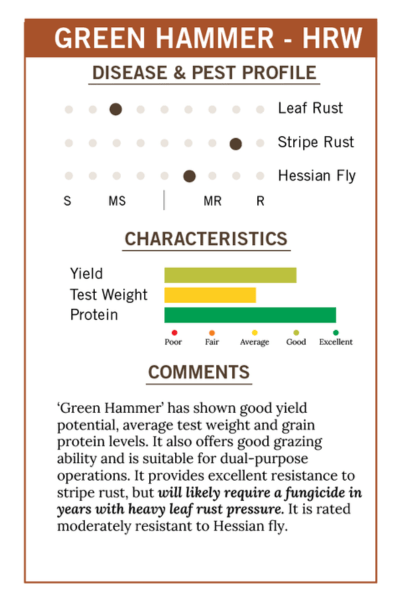
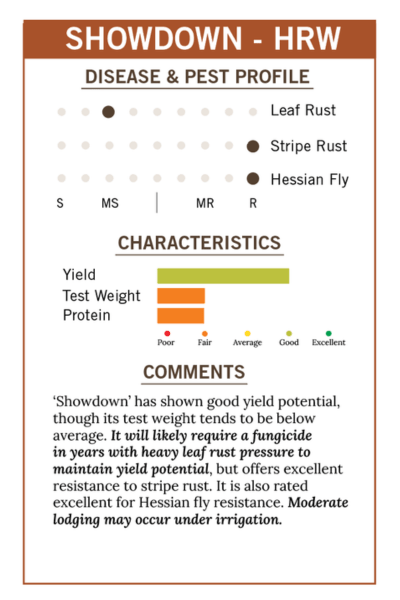
Hard Red Winter Regional Overview
- Warm and dry conditions through much of the fall and winter were followed by significant rainfall at harvest.
- Mild winter temperatures resulted in vernalization issues in some varieties south of Dallas/Ft. Worth.
- Areas surrounding DFW supported some of the best non-irrgated wheat in the state.
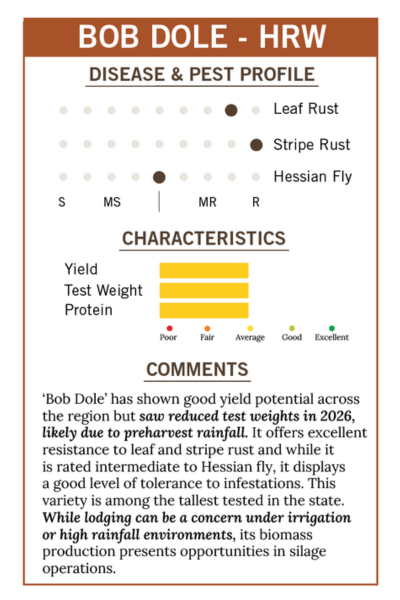
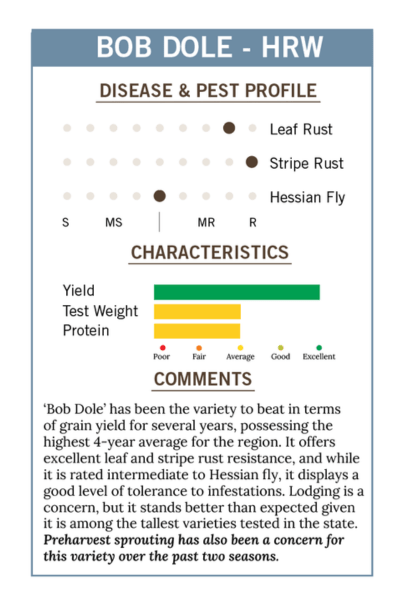
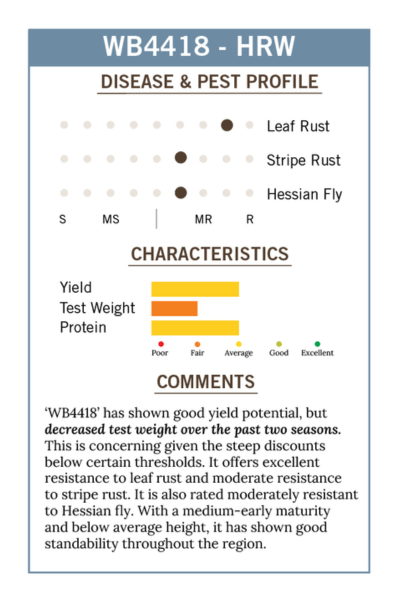
- Rainfall delayed harvest, which resulted in preharvest sprouting and low test weights.
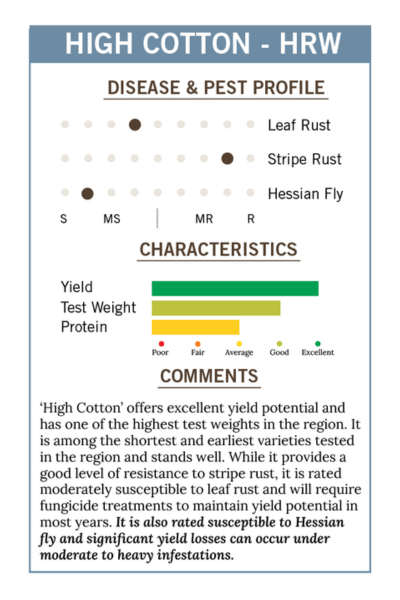
- Stripe rust pressure was low overall with localized areas of high pressure, while leaf rust pressure was significant in the southern and central parts of the region.
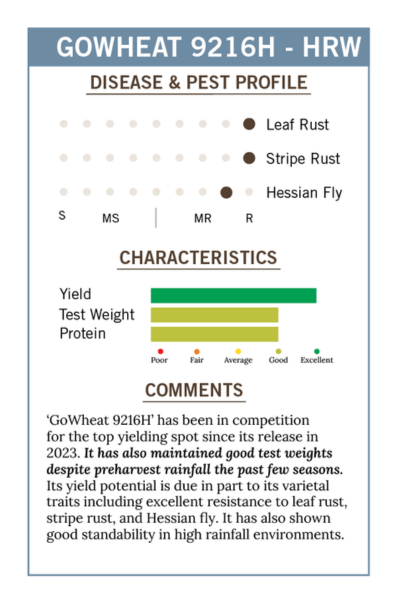
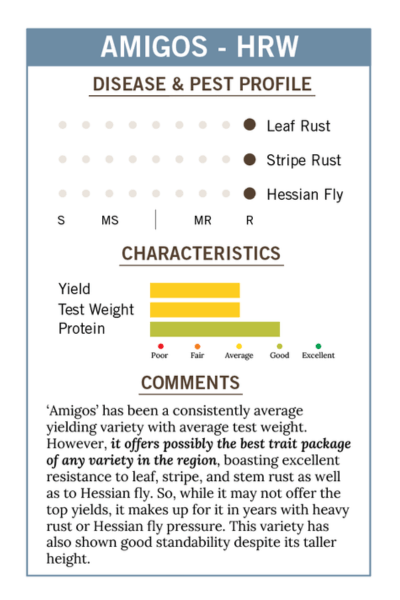
- Hessian fly infestations were widespread with heavy damage occurring in select fields.
- Due to the possibility of increased Hessian fly pressure in the 2027 season, it is recommended that growers select at least one resistant variety to grow in their operation.
Top-Performing Varieties
Soft Red Winter Regional Overview
- Warm and dry conditions through much of the fall and winter were followed by significant rainfall at harvest.
- Mild winter temperatures resulted in vernalization issues in some varieties south of Dallas/Ft. Worth.
- Areas surrounding DFW supported some of the best non-irrigated wheat in the state.
- Rainfall delayed harvest, which resulted in preharvest sprouting and low test weights.
- Stripe rust pressure was low overall with localized areas of high pressure, while leaf rust pressure was significant in the southern and central parts of the region.
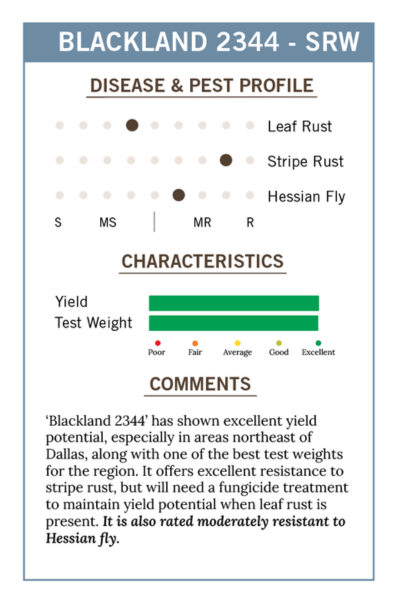
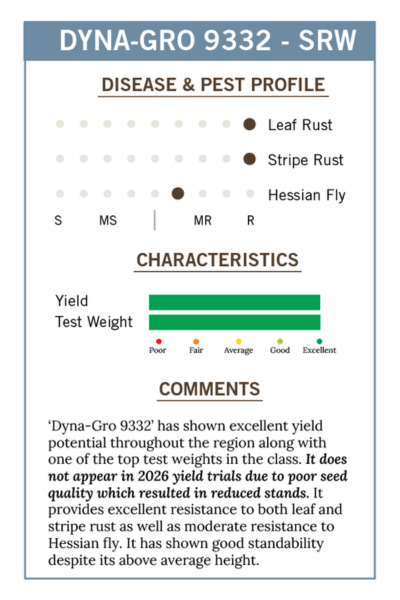
- Hessian fly infestations were widespread with heavy damage occurring in select fields.
- Due to the possibility of increased Hessian fly pressure in the 2027 season, it is recommended that growers select at least one resistant variety to grow in their operation.
Soft Red Winter Top-Performing Varieties
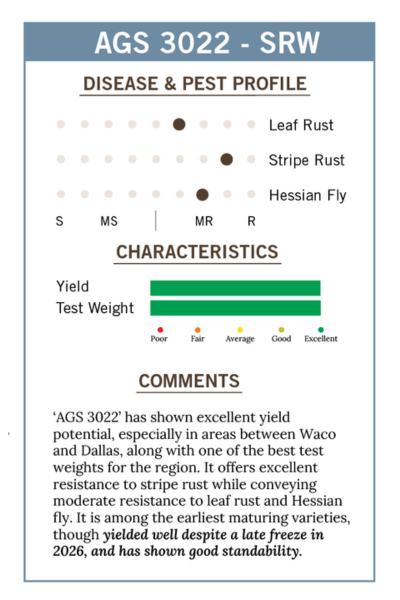
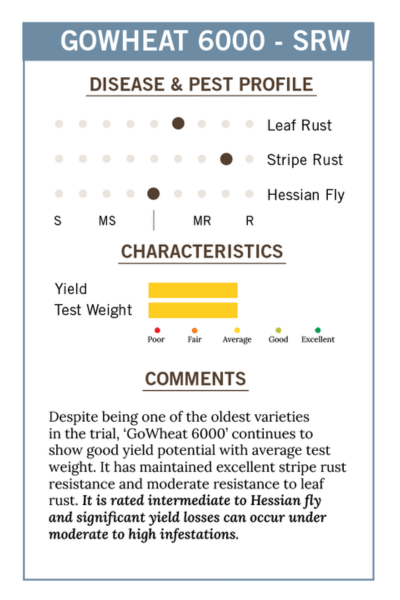
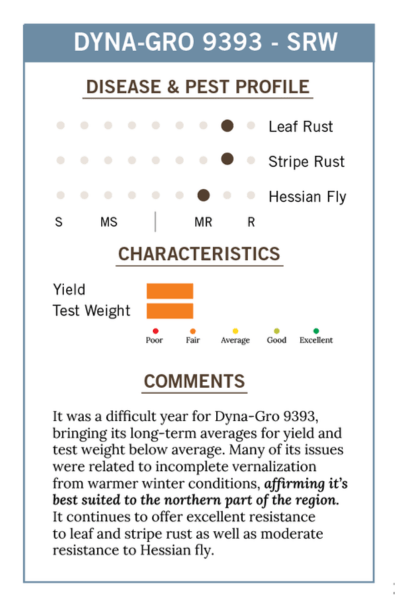
Regional Overview
- The growing season was characterized by drought, high temperatures and high disease pressure.
- Much of the wheat producing area was in extreme drought conditions through most of the season.
- Warm winter conditions resulted in about 50% chilling hours compared to the five-year average.
- Many winter wheat varieties displayed at least partial vernalization issues as a result.
- While little to no stripe rust was reported, leaf rust pressure was significant in irrigated fields.
- Heavy Hessian fly infestations were observed at the trial near Castroville.
Top-Performing Varieties
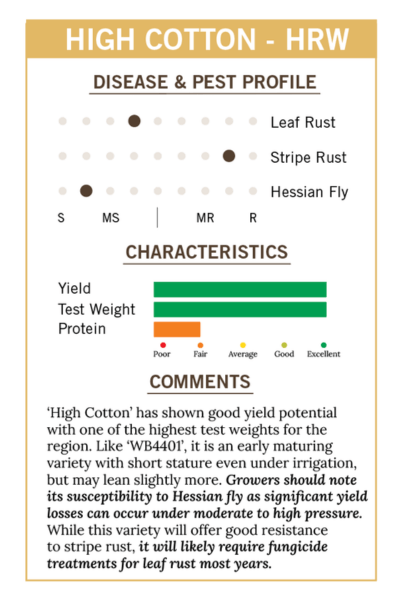
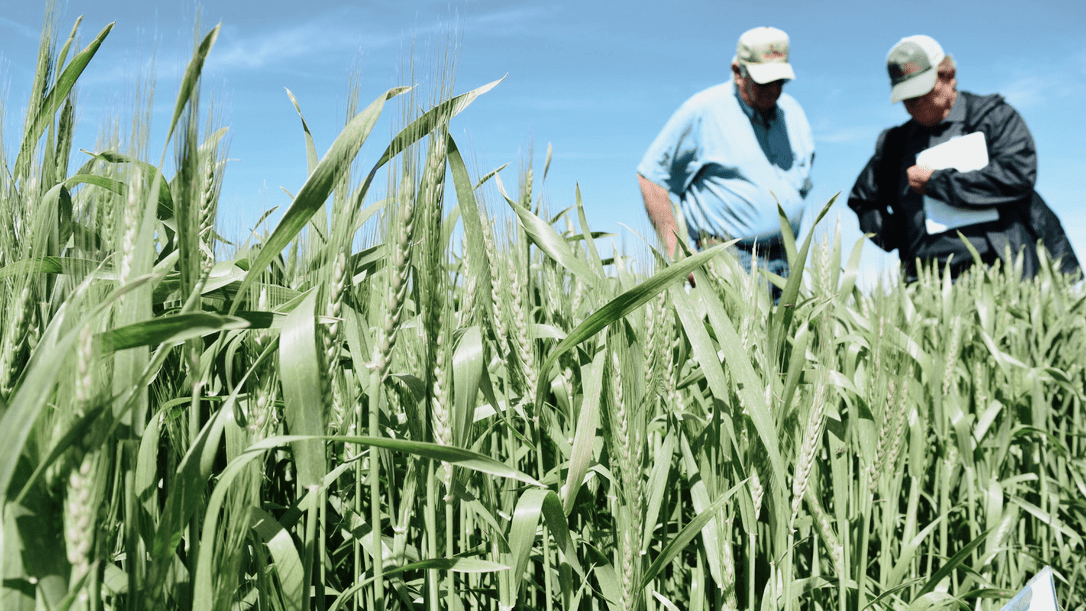
2026 Picks List
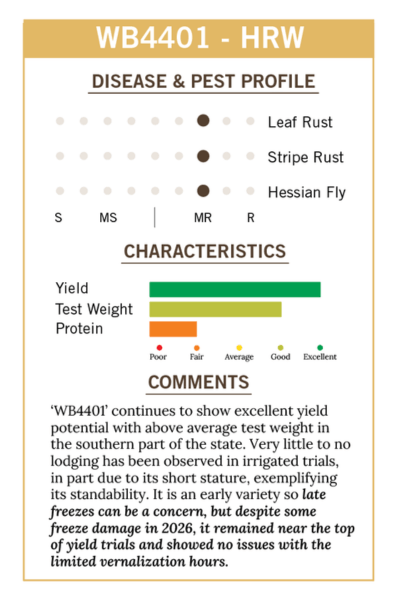
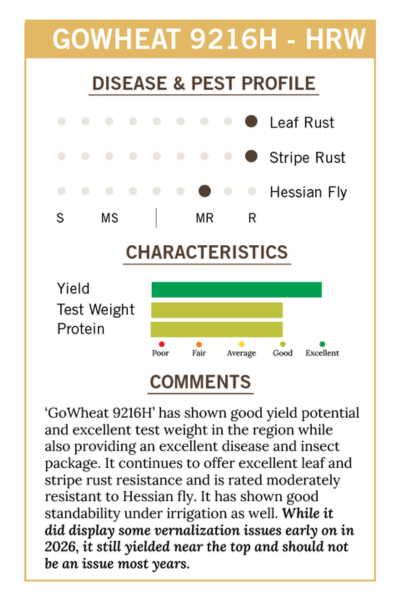
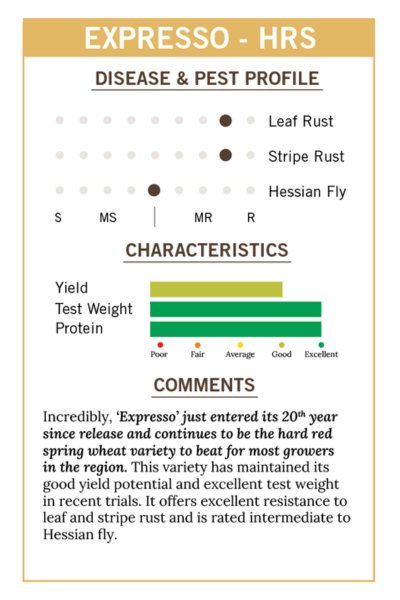
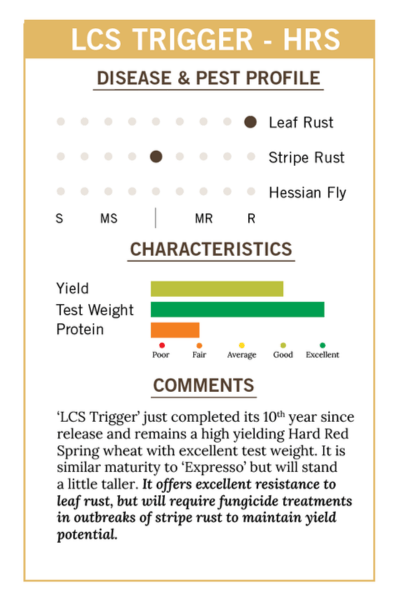
Review the Texas A&M AgriLife wheat variety picks list based on regional variety trial data.
2026 Certified Seed Directory
Find the list of Certified seed dealers across the state and their varieties for sale.
2026 Forage Guide
Review data collected from dual-purpose and forage variety trials conducted across the state.
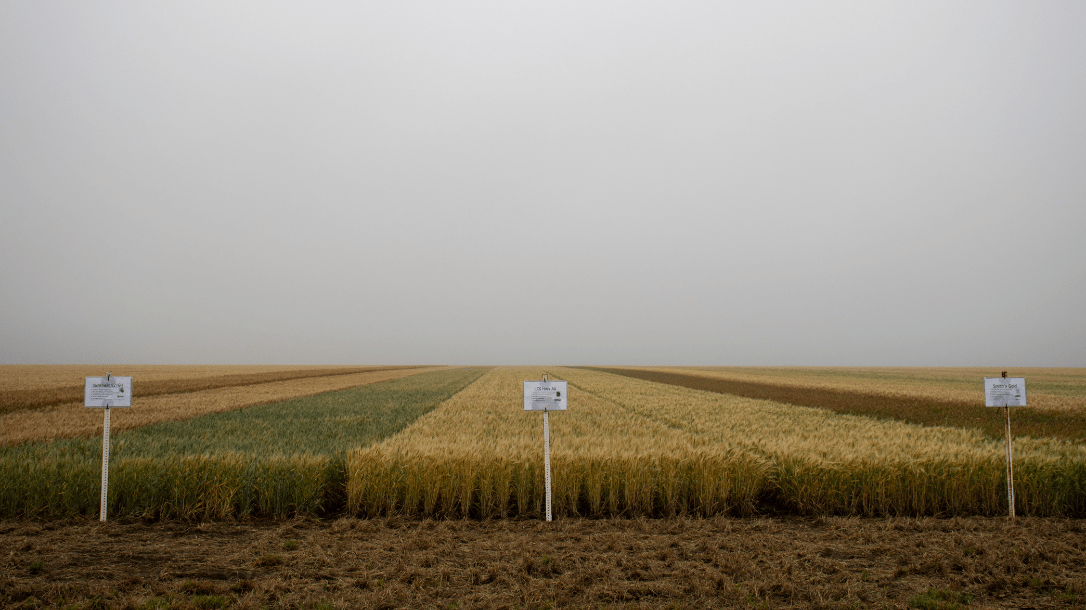
Research Projects
See a full list of the current research projects funded by the Texas Wheat Producers Board.
Research Updates


Field Days
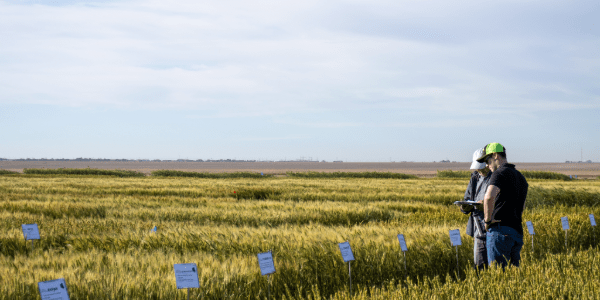
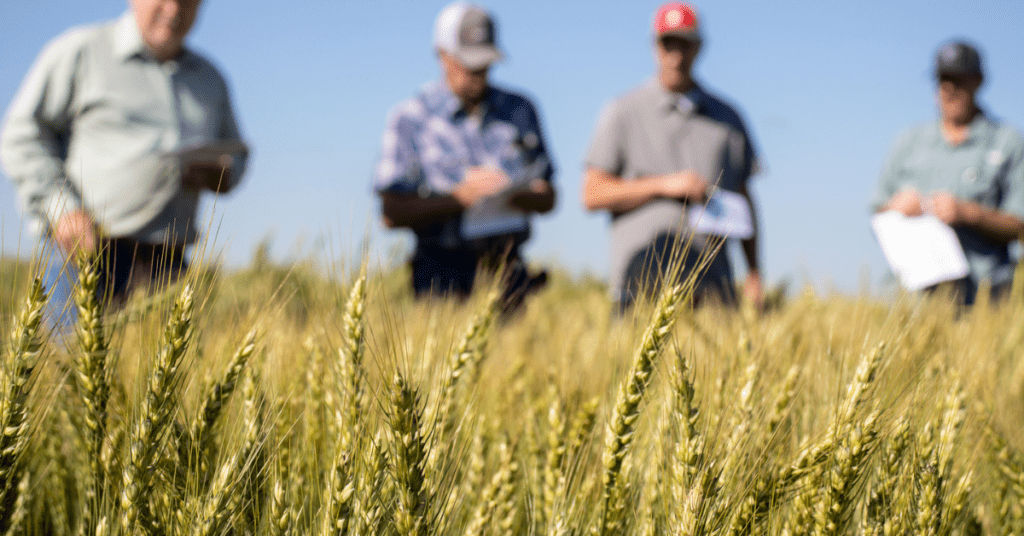
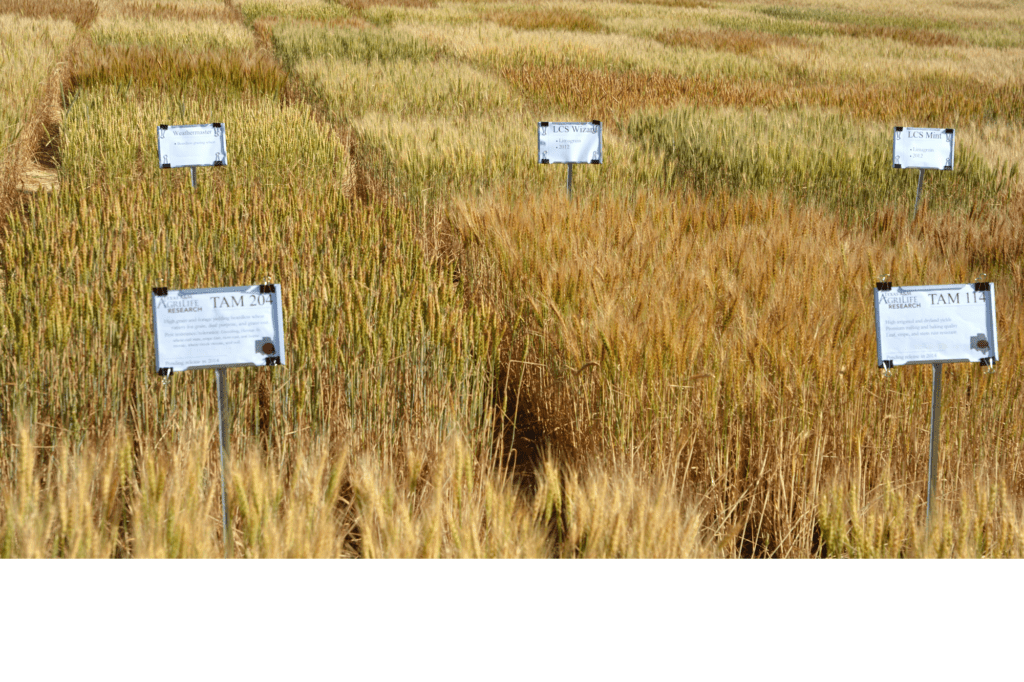
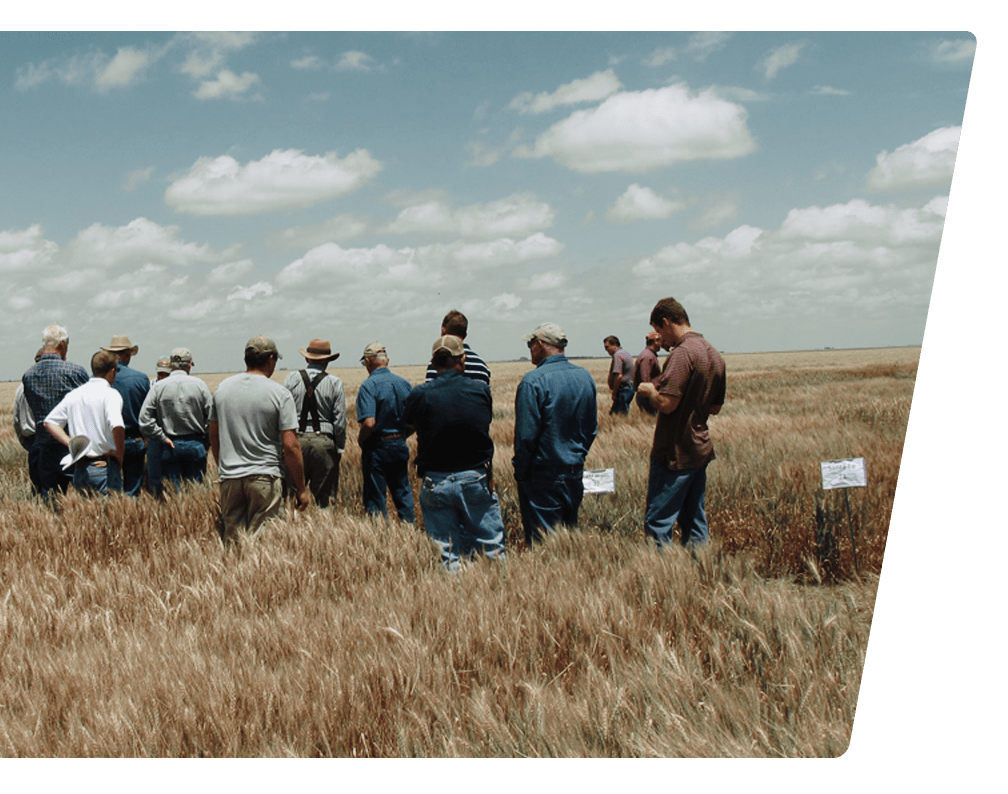
Attend local field days to see variety performance in your area. Field days are hosted by Texas A&M AgriLife Research & Extension are typically held April through May. The field day schedule will be posted in the events calendar as dates become available.